Houthi strike on Riyadh signals the Gulf's slide into a messier, bloodier era
A Houthi missile strike killed 13 in Riyadh. For the Gulf, it's not just an attack—it's proof that the region's old security model is breaking down.
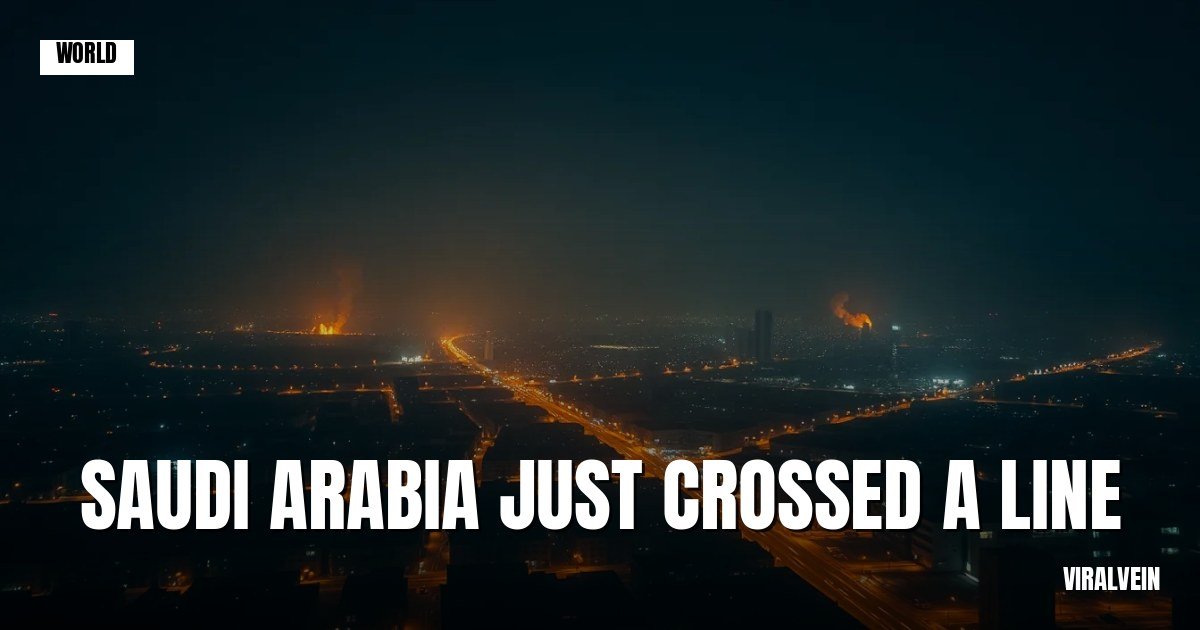
Saturday's missile attack on King Khalid airport wasn't just another headline. Thirteen people dead, 300 wounded—that's the kind of body count that changes how a government thinks about itself and its region. For Saudi Arabia, a country that's spent decades avoiding this level of violence at home, it's a shock.
The strike ranks as the deadliest attack on any Gulf state since the US and Israel began their war on Iran back in February. And it probably won't stay the deadliest for long. Riyadh will respond, almost certainly with force, which means the cycle tightens.
What's happening in the Gulf right now isn't a temporary flare-up. Over the past year, the region has drifted into a fundamentally different state—less stable, more fragmented, harder to predict. Saudi Arabia, Qatar, the UAE—all of them are watching their old assumptions crumble. The security guarantees they thought they had? They're looking shakier every week.
Most commentators treat this as a sideshow because the casualty numbers look small next to Gaza or the Iran conflict. That's the wrong lens. The real damage isn't in the immediate death toll. It's in what this attack signals: the old alliances and security arrangements that held the Gulf together for decades are no longer reliable. Local powers are getting bolder, regional players are more willing to take risks, and the external guarantors everyone relied on can't (or won't) prevent things from spiraling.
Saudi Arabia's leadership is facing a dilemma they haven't had to seriously contemplate in a long time. They can't just absorb this hit and move on. Domestic pressure for retaliation will be fierce. But escalation in the Gulf now means something different than it did five years ago—the regional balance is looser, more actors are armed, and the stakes feel higher.
The Houthis have proven they can strike targets that matter. That's not going away. And if the kingdom's old playbook—lean on US protection, maintain some regional stability, avoid open conflict—isn't working anymore, what replaces it? Nobody's written that script yet.