Shingles is way more serious than most people think
Shingles causes chronic pain, stroke risk, and permanent nerve damage—yet most people aren't vaccinated. Here's why you should care.
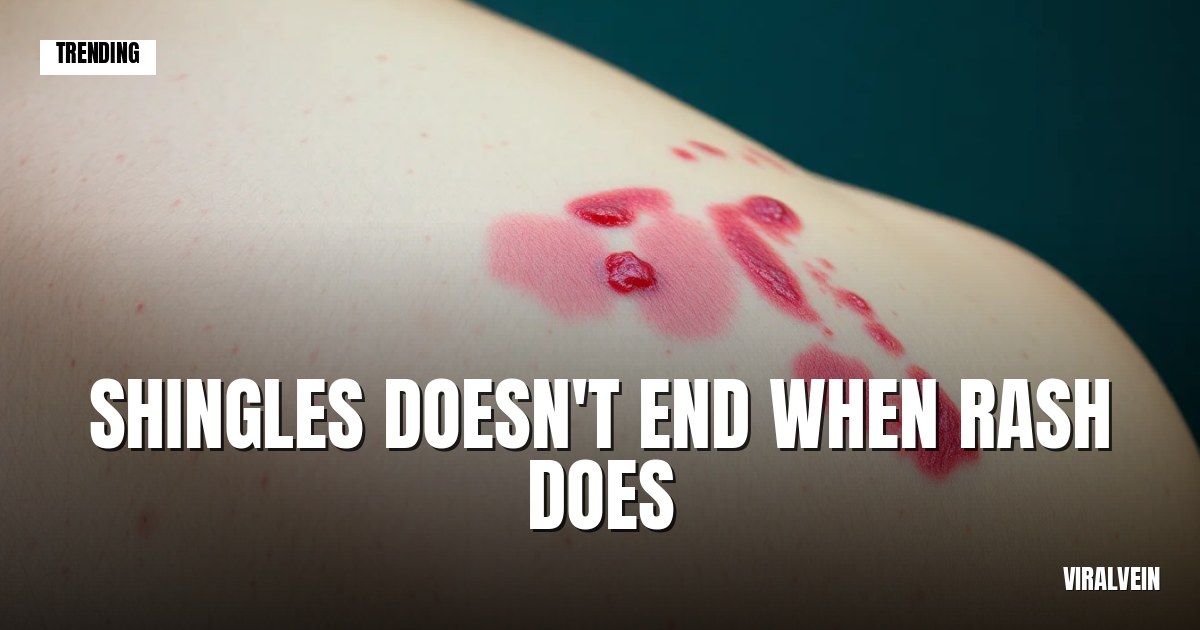
Here's what nobody really talks about with shingles: it's not just an annoying rash that shows up, bothers you for a few weeks, and disappears. The virus stays dormant in your nerve endings and can wreck your life in ways that aren't immediately obvious.
Millions of people who've had shingles end up dealing with chronic pain that lasts for months, sometimes years, after the rash clears. We're talking stabbing sensations, burning skin, constant aching that makes everyday tasks miserable. But that's not even the scariest part. Studies have linked shingles to a higher risk of stroke, which is the kind of complication that should make anyone sit up and pay attention.
And then there's the nerve damage. Once shingles damages those nerves, the effects can be permanent. Your body just doesn't bounce back the way you'd hope. Yet somehow, vaccination rates remain shockingly low. People either don't know the vaccine exists, think they don't need it, or just haven't gotten around to scheduling an appointment.
The vaccine is pretty effective at preventing shingles altogether, and if you do get it despite being vaccinated, the symptoms tend to be way less severe. It's one of those rare public health situations where there's a straightforward solution sitting right there, and most people aren't using it.
If you're over 50, or dealing with a weakened immune system, the risk climbs even higher. Your doctor can walk you through whether you're a good candidate, but honestly, most people in that age group should probably just go get it done. The side effects from the vaccine are minimal compared to the potential fallout from actually catching shingles. (And yes, the fallout can be that bad.)
What's frustrating is how preventable this is. We have the tools. People just aren't using them.