Is the Premier League's Big Six finally falling apart?
The Premier League's Big Six have ruled for years, but cracks are starting to show. Is their era actually ending?
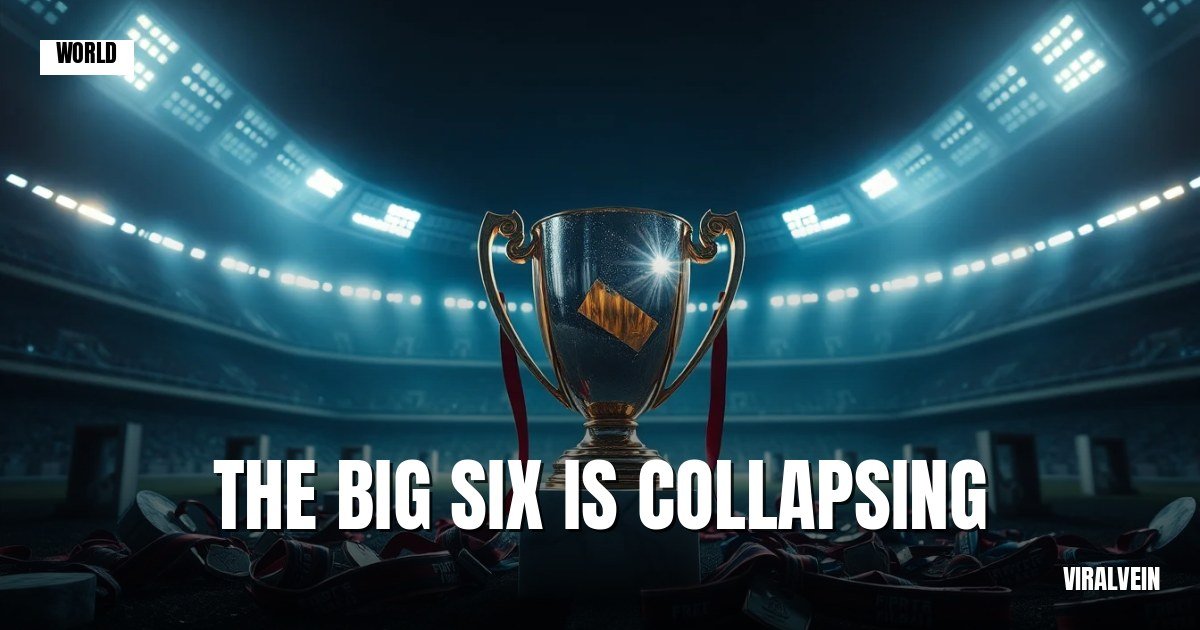
For what feels like forever, English football's hierarchy was locked in place. Arsenal, Chelsea, Liverpool, Manchester City, Manchester United, Tottenham—these six clubs basically owned the Premier League. You knew where you stood. You knew who'd fight for the title. You knew who'd qualify for the Champions League.
But something's shifted. And it's getting harder to pretend the old order still holds.
The dominance of that top tier wasn't accidental, of course. Money, infrastructure, pulling power—it all compounds. These clubs had the resources to attract elite players, the stadiums to fill, the history to lean on. Smaller teams had to watch from the stands while the same faces fought it out year after year.
Lately though? The picture's murkier. Some of the traditional giants have stumbled. Others have found themselves in genuine scraps just to finish in the top four. Meanwhile, clubs that weren't supposed to be competitive are suddenly showing up with real squads and real ambition.
It's not that the Big Six have all collapsed at once. But the gap that used to feel like a chasm is starting to look more like a bump. Injuries derail seasons. Bad decisions in the transfer market actually cost you now. The financial advantages that once felt untouchable aren't quite so untouchable anymore.
Whether this marks the actual end of an era depends on who you ask. Some reckon it's temporary—a blip before the usual suspects reassert themselves. Others think the structural advantages these clubs built are finally being challenged in a way that might actually stick.
What's clear is that nobody's taking the old hierarchy for granted anymore. The Big Six label might still be technically accurate, but it's starting to feel more like habit than reality.