Red light therapy is everywhere. Science still isn't sure it works
Red light therapy is blowing up on social media. But does it actually work? The evidence suggests we really don't know yet.
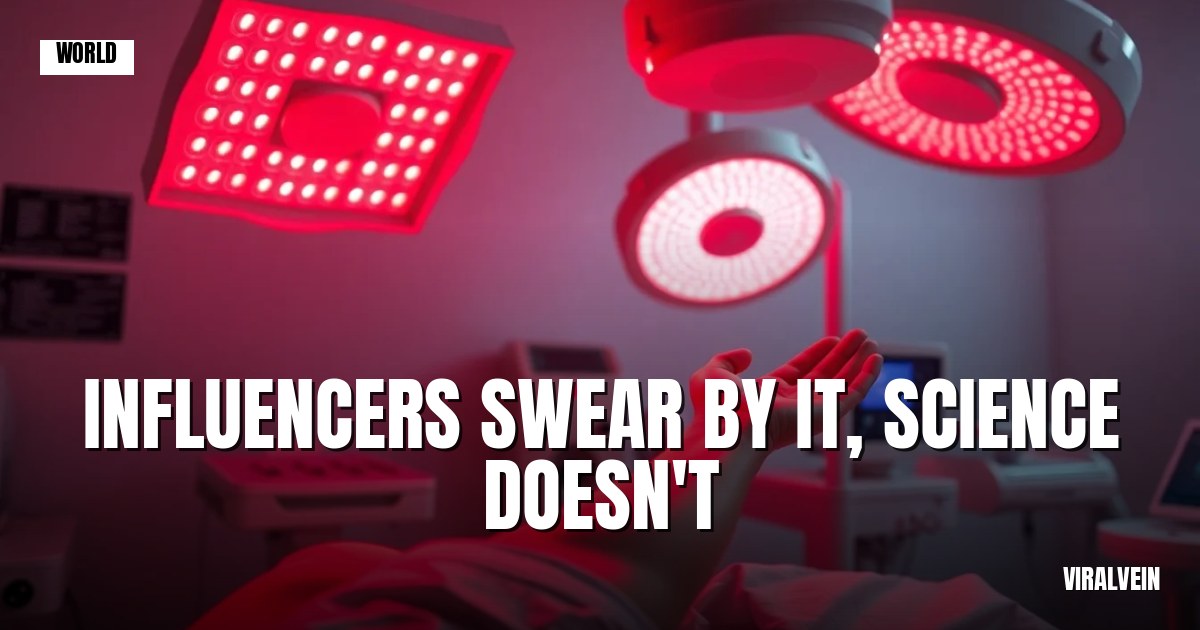
Your TikTok feed is probably full of them by now — people strapping on glowing red masks, claiming the light will heal their skin, kill their pain, erase wrinkles. It's become impossible to scroll without seeing someone swear by red light therapy. Trouble is, the science backing it up? Still pretty thin.
Red light therapy isn't new. People were already talking about it back in the 1990s. But lately it's had this weird resurgence, especially on social media. Influencers are selling it hard. Wellness brands are banking on it. Everyone seems convinced it works.
The problem: we don't actually have solid evidence that shining red light on your skin does much of anything. Not really. Without a proper clinical trial — the kind that's actually rigorous — we're basically just guessing.
This fits perfectly into the wellness industry's favorite pattern. Every week there's a new thing promising to fix you. Mushroom powders that are suddenly life-changing. A diet that'll melt the weight off. Supplements you've never heard of that are apparently essential. The whole space is basically a maze of unproven stuff, half-disproven stuff, and things that almost certainly don't work at all.
Red light therapy sits right in there with the rest of it. The claims are appealing — faster wound healing, less pain, fewer wrinkles. Who wouldn't want that? And yeah, there's been some research. But "some research" isn't the same as proof. A few small studies or lab results don't mean much if you can't replicate them or if they're poorly designed.
The bigger issue is how easy it is to sell something online without much scrutiny. Someone gets results (or thinks they do), posts about it, and suddenly thousands of people are buying a red light device. Anecdotes feel like evidence when they're coming from someone you follow.
So should you buy one? Without decent evidence, that's on you. Just know what you're actually paying for — hope, mostly, and the possibility of a placebo effect. Which, hey, sometimes that's enough. But it's not the same as science.