Iran hits oil tanker in Hormuz as Houthis blockade Red Sea shipping
Iran attacks oil tanker in Hormuz strait while Houthis blockade Red Sea. US retaliates with airstrikes as Middle East tensions spike.
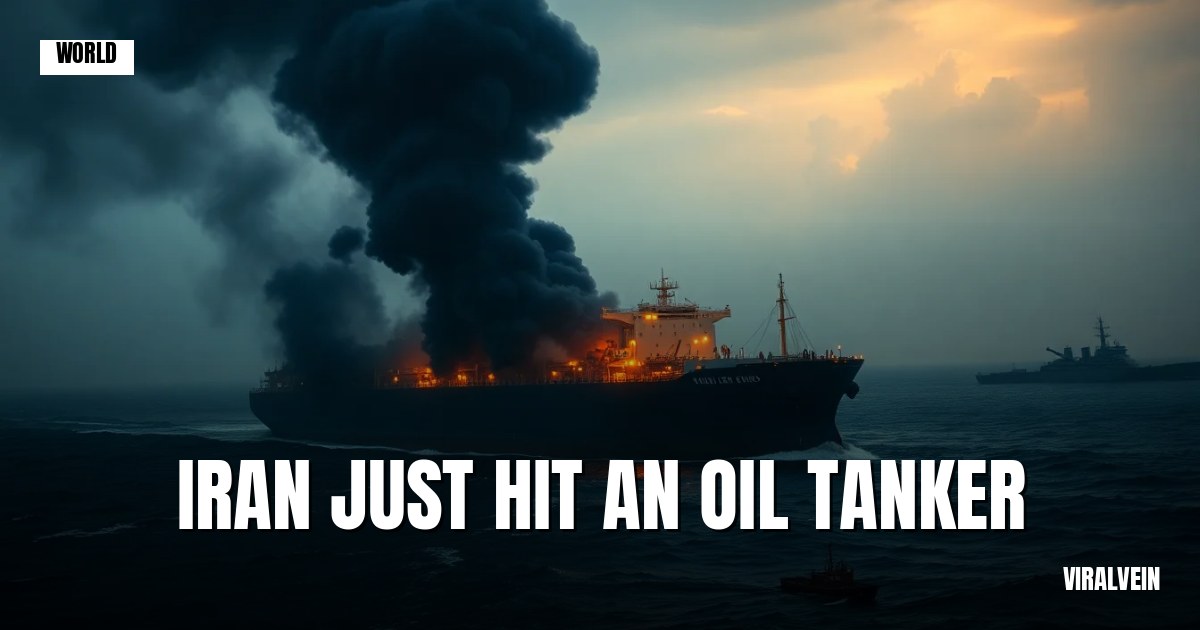
Things are escalating fast in the Middle East. Early Tuesday, Iran's Revolutionary Guards claimed responsibility for attacking an oil tanker in the Strait of Hormuz, forcing crew members to abandon ship. The British military confirmed the incident, which happened off Oman.
That's not all. Yemen's Houthis—backed by Iran—just announced they're imposing an immediate maritime blockade of Saudi Arabia across the Red Sea. This comes after the two sides exchanged fire for the first time in years last week. So now you've got attacks happening in two critical shipping routes simultaneously.
The US fired back with airstrikes aimed at degrading Iran's ability to strike commercial vessels. Central Command hit military command centers, missile sites, and drone launch facilities across multiple Iranian cities including Bandar Abbas, Tabriz, and Bushehr (home to Iran's only active civilian nuclear power plant). This all happened hours after Trump warned Iran would pay "many times over" for killing American soldiers over the weekend.
Iran didn't sit idle. They launched retaliatory strikes against Bahrain, Kuwait, and Jordan—all countries hosting US military forces. The Pentagon admitted nearly 100 troops have been wounded in recent weeks, which is now becoming a serious talking point for Democrats pushing Trump to reverse course on resuming conflict with Iran.
Oil markets reacted predictably. Brent crude eased down 0.4% to $88.87 a barrel by early Tuesday after hitting month-high levels the day before. US West Texas Intermediate held steady at $82.47 for September futures.
Meanwhile, Lebanon's army started taking over security in three southern villages as part of a broader deal meant to get Israel out of the south and disarm Hezbollah. That agreement's already facing its first real test.