The Strait of Hormuz is becoming a naval battleground—and nobody's stopping it
US military presence in the Strait of Hormuz echoes 200-year-old power politics. As maritime cooperation crumbles, shipping becomes collateral damage.
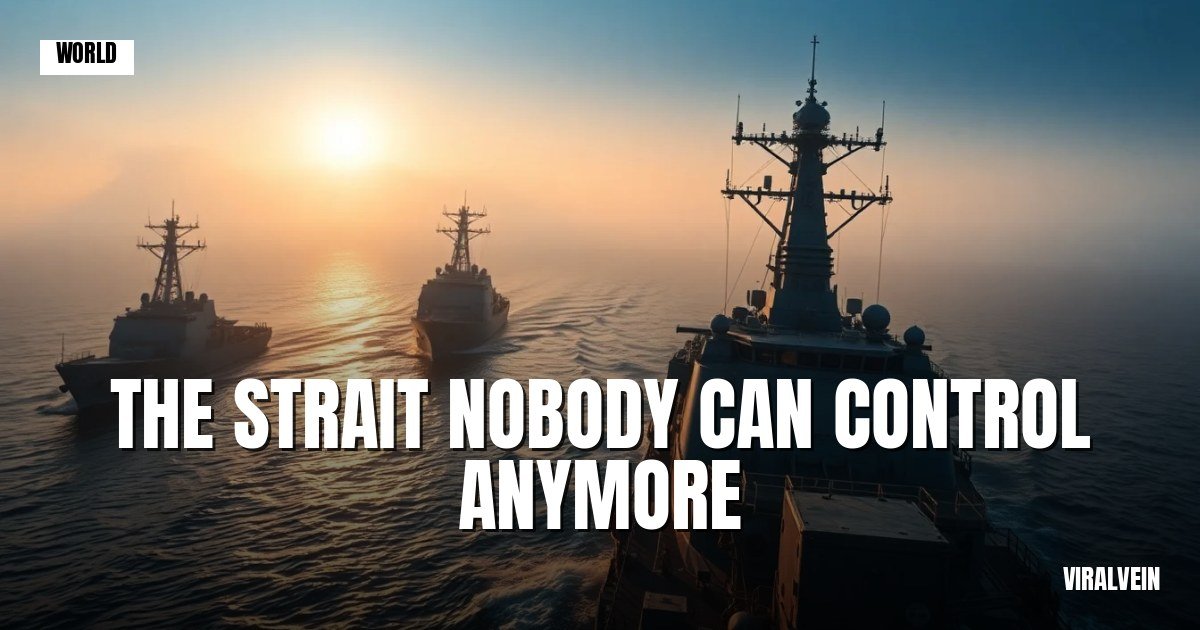
Shipping routes are turning into war zones. The US military's been ramping up its presence in the Strait of Hormuz to shield merchant vessels from Iranian attacks, reasserting direct control over one of the world's most critical chokepoints. Sounds modern. Sounds urgent. But here's the thing—it's not new at all.
Rewind two centuries. Around 1825, the US Navy sent a powerful squadron under Commodore John Rodgers to the Mediterranean. Their mission? Protect American merchant ships from Greek pirates and corsairs. The US didn't care about Greece's independence struggle against the Ottoman Empire—that was someone else's problem. They cared about one thing: their trade, their markets, their money.
Fast forward to now. Trump's administration is locked in what amounts to an economic war with Iran, one dressed up as a security operation. But strip away the rhetoric about defending freedom of navigation, and you're looking at the same playbook: protecting American commercial interests, nothing more.
The bigger picture is bleaker. The collapse of international rules—the agreements and norms that kept maritime commerce relatively stable for centuries—isn't happening just on land. It's happening on the water too. From the Strait of Hormuz to the North Sea, shipping lanes that once operated under a framework of cooperation are now flashpoints for military posturing and economic leverage.
And it's not just about oil prices, though those matter. When the rules-based order breaks down at sea, you lose centuries of cooperation that kept global trade moving. You lose predictability. You lose the assumption that ships can move goods without becoming targets. You're left with navies asserting control, merchants gambling with routes, and everyone else paying the bill.
The irony is sharp: a nation founded on ideals of liberty is now using raw military power to enforce its economic will, exactly as empires have done for hundreds of years. Trump abandoned his rhetoric about revolution in Tehran. What remains is pure, unvarnished power politics—and it's playing out across every major sea route on the planet.