Inside Afghanistan's femicide crisis: 231 cases, zero justice
An investigation of 231 femicide cases reveals how Afghan women face systematic violence with virtually no legal protection or accountability under Taliban rule.
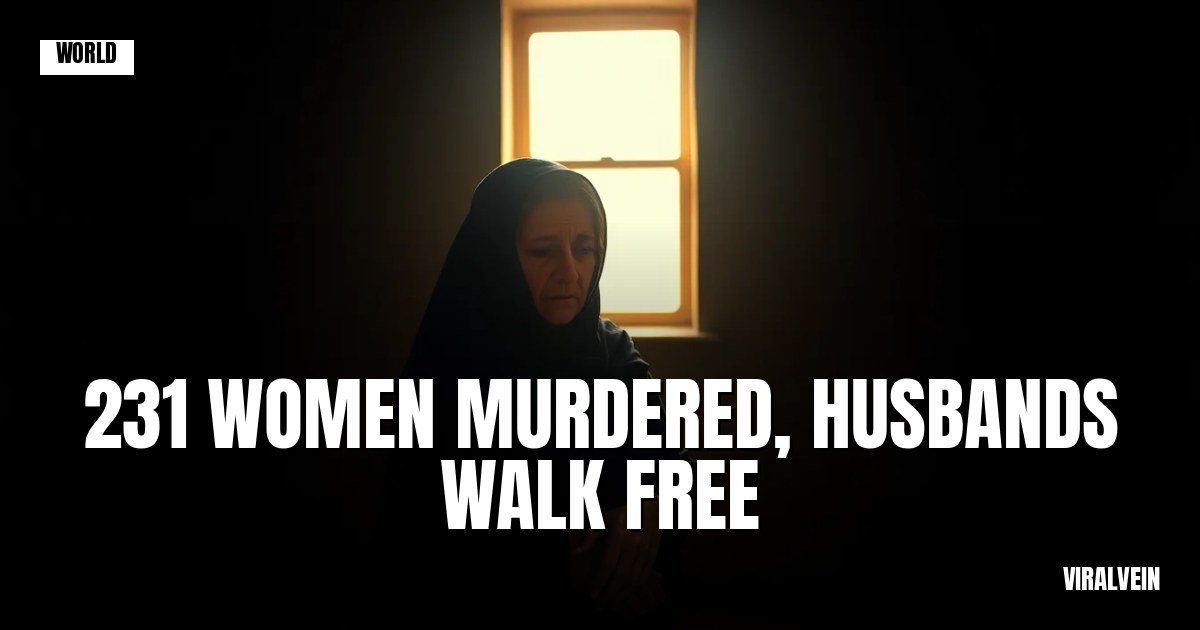
Liza Shams recorded voice messages to her family in the weeks before she died. In them, she begged relatives to pray her husband would be shamed publicly for what he'd done to her. She described being beaten while pregnant, then locked away for days, so badly injured she couldn't eat or speak properly.
"I'm a woman, fine, I should not talk about what happens in my home," she said in one recording. "But I can't do this any more."
On February 1st, neighbors heard screaming from her house in Kabul. Her father, Shamsuddin Shams, got a video call from Liza showing her face. Her jaw was broken. She could barely talk. She told him her husband, Hasibullah Sarwari, had beaten her again.
Her sisters arrived within minutes and rushed her to Rahmat hospital. About an hour after she got there, Liza was dead. She was 33.
A new investigation has documented 231 femicide cases in Afghanistan since the Taliban took power. The research shows a grim pattern: men kill their wives, girlfriends, and family members with near-total impunity. The state doesn't investigate properly. Evidence disappears. Perpetrators walk free or face minimal consequences.
What's changed under Taliban rule isn't just the laws—it's the enforcement vacuum. Before, women had limited protections, but at least the legal system theoretically existed to hold abusers accountable. Now there's no mechanism at all. Police don't treat domestic homicides as crimes worth solving. Courts don't prosecute. Families pressure victims to stay silent, and when women die, the deaths get buried quietly or ruled "natural causes" without autopsy.
The investigation pieces together testimony from families, hospital records, and witness accounts. Nearly every case follows the same trajectory: escalating abuse, isolation, violence that worsens over months or years, then death. And nothing happens afterward.
For many women in Afghanistan right now, the question isn't whether they'll face violence—it's whether anyone will care when they do. That uncertainty, that knowledge that your death might be treated as just another thing that happened, reshapes how women move through daily life. It narrows everything.
Liza Shams' case sits in that pile of 231. Her voice recordings exist somewhere. Her family knows what happened. And her husband is still out there.