Lucy Worsley's take on the American Revolution is refreshingly straightforward
Lucy Worsley ditches the period costumes for a straightforward look at how the American Revolution broke apart the UK-US relationship. BBC Two.
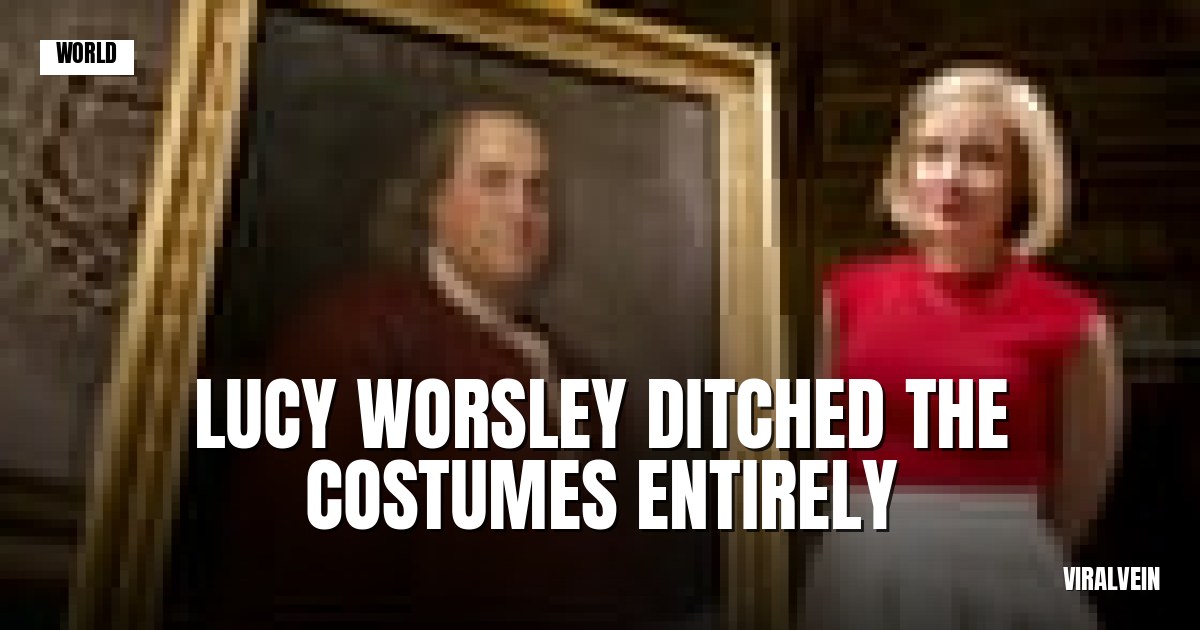
Lucy Worsley's done the period costume thing. You know the drill — the wigs, the corsets, the whole theatrical package designed to stop history from feeling like homework. But her new two-part BBC series strips all that away.
Lucy Worsley Investigates: The American Revolution finds her ditching the gimmicks entirely. She stays in her own clothes while actors handle the brief, dialogue-free dramatizations of Benjamin Franklin and George III. No voiceover theatrics, no forced energy. Just Worsley doing what she actually does well: talking about the past with genuine curiosity.
The show follows a pretty standard documentary formula, sure. She visits locations in Britain and America, sits down with experts who have something worth saying, and examines the artifacts that actually matter. But there's something refreshing about how unselfconscious it all feels. No gimmickry. No need to dress up history to make it palatable.
The angle itself is clever enough — framing the UK-US relationship as a kind of messy divorce, complete with all the petty grievances and sudden betrayals that come with any serious split. Franklin's eccentric naked "air baths" get a mention, as does his genuinely wild portrait of George III that apparently gave visitors electric shocks. Details like that suggest Worsley's actually dug into the weird stuff, not just the textbook highlights.
Whether TV historians even need gimmicks anymore is debatable. Worsley's proven over years on BBC Four that you don't need a costume to make someone care. A good fact, told well, with genuine enthusiasm behind it — that's enough. This series seems to understand that. It's not reinventing the documentary wheel, but it's also not apologizing for being straightforward history. Sometimes that's exactly what you want.