Polish cops intercepted a bomb kit addressed to a Russian dissident—then things got weird
A bomb kit addressed to a Russian dissident in Poland raised one question: was he a Russian agent, or someone else's?
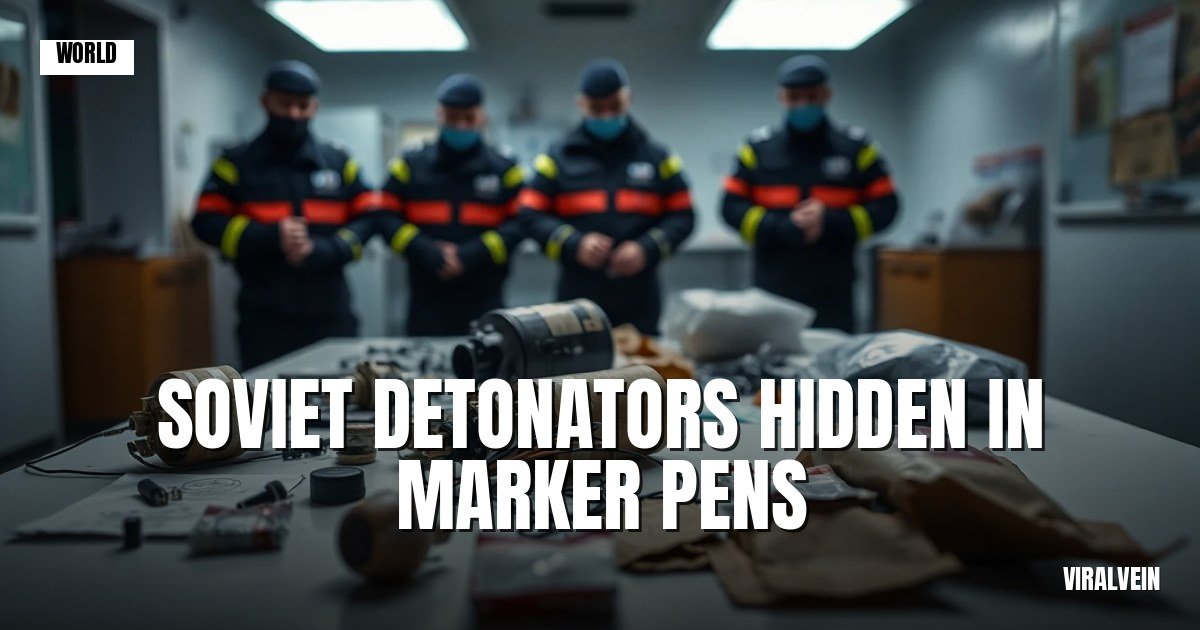
A package showed up at a warehouse in Poland last summer that wasn't meant to get through. Inside: a vacuum flask, marker pens, a power bank, antifreeze. Sounds like someone's drunk uncle's road trip supplies. Except the marker pens had Soviet-era detonators hidden in them.
This was July 2024, and Warsaw was jumpy. Two months earlier a shopping mall had gone up in flames—arson. Lithuania's Ikea caught fire the same way. Polish intelligence thought Russia was behind it all, running some kind of sabotage operation to destabilize the region and tank support for Ukraine. They were waiting for the next move.
So when a warehouse worker got suspicious about the package, they called it in. Police showed up with sniffer dogs and the whole kit. X-rays didn't lie: those marker pens were packed with detonators from the 1980s Soviet era. The flask had a false bottom holding metallic powder. Someone had messed with the power bank. And the antifreeze bottle? It wasn't antifreeze. Tests revealed nitroglycerine solution—the volatile kind.
The package was addressed to Igor Rogov, a Russian opposition campaigner living in exile in Poland. Young activist, vocal critic of the Kremlin, the type who usually gets support from Western governments and human rights groups. Except now he was being accused of something very different.
His friends couldn't believe it. This guy had been fighting against Putin's regime. How could he suddenly be a Kremlin agent? But the bomb kit didn't lie. Someone had sent it to him. The question nobody could answer was simpler than it seemed: whose spy was he actually working for?