Reading and Leeds ditched BBC Introducing for a 'nepo baby stage' and indie artists are furious
Reading and Leeds axed BBC Introducing's unsigned stage for a celebrity-packed alternative. Grassroots artists are losing a crucial platform they relied on.
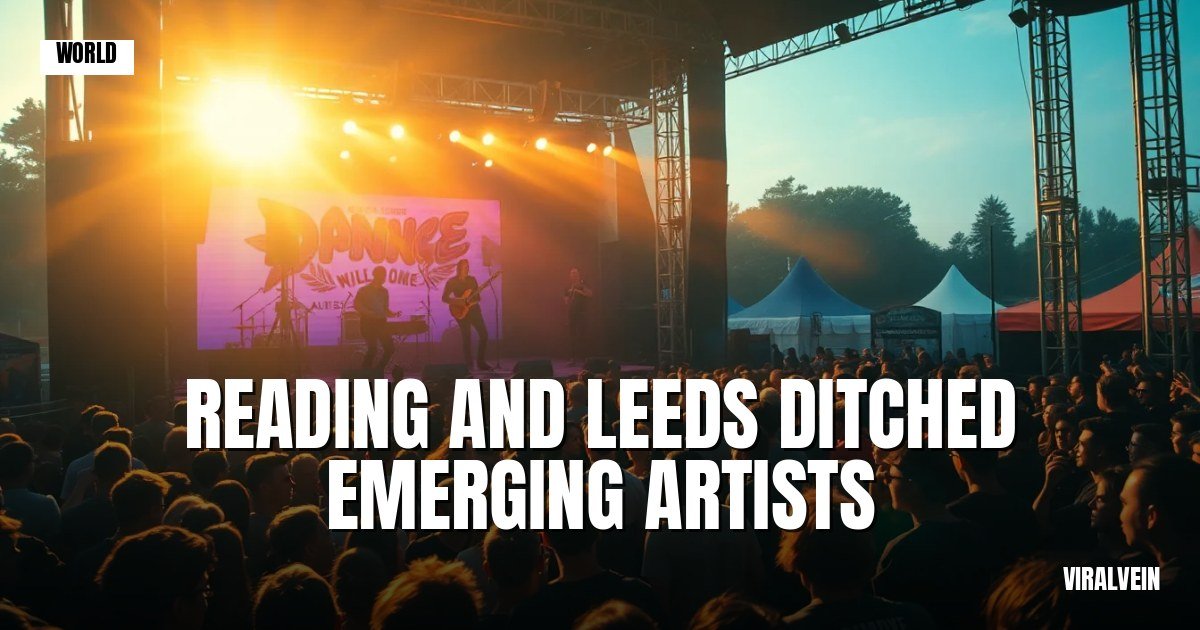
Reading and Leeds just made a choice that's got the grassroots music scene pretty wound up. They've axed the BBC Introducing stage — a 20-year fixture at the festival — and replaced it with something that basically screams "connections matter."
For two decades, BBC Introducing gave unsigned artists a real shot. You'd submit your tracks to regional radio shows, get some airtime, and if you were lucky, land a slot at one of the UK's biggest festivals. It worked. Around 70% of the acts now headlining major lineups got their break there. Doesn't matter if they're indie bands, drum'n'bass producers, or underground rappers — most of them came up through that exact pathway.
Now it's gone. Replaced with what critics are calling the "nepo baby stage" — basically a platform stacked with established acts' kids, plus a boyband courtesy of Simon Cowell's machine. You can see why people are annoyed.
The 2026 lineup itself is genuinely diverse. Pop acts rubbing shoulders with drum'n'bass, rappers next to indie outfits. But here's the thing: all those artists got somewhere because someone took a chance on them when they had nothing. The BBC Introducing stage was that someone for decades.
Killing it doesn't just erase a festival fixture. It removes an actual rung on the ladder for kids recording in bedrooms or rehearsal studios right now. No audition, no connections required — just good music. That's the bit that's irreplaceable.
The festival hasn't exactly explained why BBC Introducing had to go. Maybe the numbers didn't add up. Maybe they wanted something more commercially friendly. But the timing's weird, right? We're supposedly obsessed with "supporting new talent," yet the moment a free platform actually did that, it got scrapped.
So where does that leave DIY artists? Probably fighting harder for scraps at smaller festivals, hoping TikTok algorithms pick them up, or grinding through the usual pay-to-play nonsense that's always been the alternative. It's not a collapse of the industry or anything — music survives — but it's one less door, and doors matter when you're nobody yet.